For much of modern financial history, wealth planning has focused on preservation. Families diversified across businesses, real estate, equities, bonds, and, later, alternative investments. As wealth grew, additional layers of planning emerged, with trusts protecting family assets, estate plans organizing succession, and international structures helping reduce exposure to political and economic uncertainty. These tools remain essential today and continue to form the foundation of responsible long-term planning.
Yet most of these strategies were designed to answer a practical question: how do we protect what we have built? Increasingly, however, successful families are asking something different. Once wealth has been accumulated and protected, how should it contribute to a life that is genuinely enjoyable?
This question reflects a paradox that many affluent families eventually encounter. Financial success creates greater freedom in theory yet often introduces greater complexity in practice. Businesses require oversight, investments demand attention, properties must be managed, and family wealth requires governance. As responsibilities multiply, time often becomes the scarcest resource of all.
Perhaps this is one reason why summer holds such a special place in the lives of many families. It offers a temporary pause from schedules, obligations, and constant decision-making. Away from boardrooms, airports, and financial reports, there is an opportunity to reflect on whether wealth is serving its intended purpose. After all, the objective was never accumulation for its own sake, but the creation of a life with greater freedom, opportunity, and fulfillment.
The Best Assets Are Sometimes Places
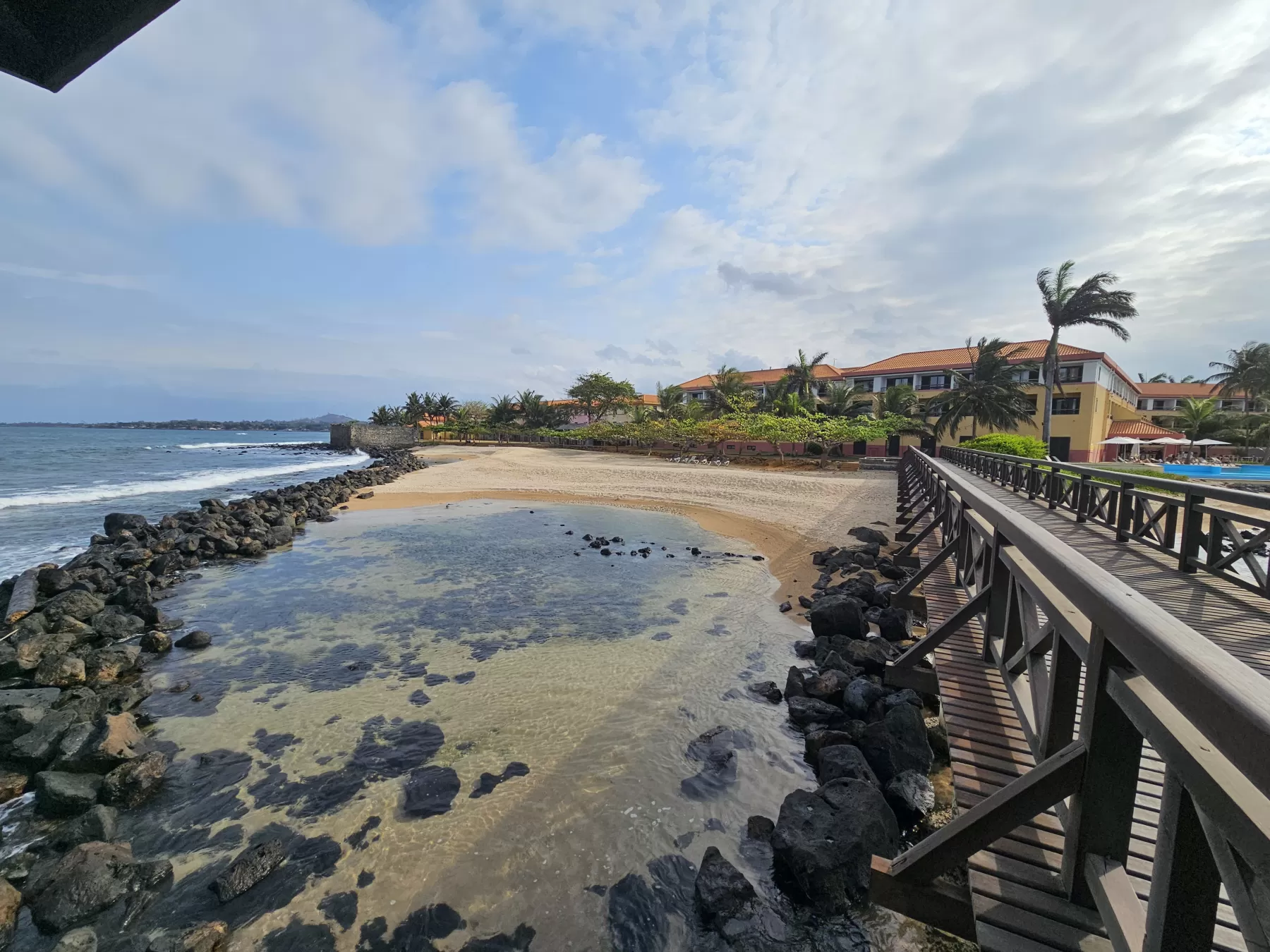
Not every valuable asset appears on a balance sheet. Some of the most meaningful forms of wealth are connected to places, experiences, and traditions that become woven into family history over time. A coastline visited each summer, a marina where children learned to sail, or a family property that serves as a gathering place across generations may ultimately leave a deeper impression than many conventional investments.
This perspective helps explain the growing interest in citizenship by investment programs among internationally mobile families. Discussions around these programs often focus on mobility, diversification, and access to future opportunities, all of which are important considerations. Yet for many families, the appeal extends beyond practical benefits.
Caribbean citizenship, for example, may become a connection to a destination that plays a meaningful role in family life. The beaches of Antigua and Barbuda, the dramatic scenery of Saint Lucia, the sailing culture of Saint Kitts and Nevis, the rainforests of Dominica, or the relaxed sophistication of Grenada offer something that cannot easily be measured in financial terms. These jurisdictions provide not only legal status, but also environments where families can create traditions, spend time together, and establish lasting memories.
In this sense, citizenship becomes something more than a strategic asset. It becomes part of a family’s story.
The Rise of Lifestyle Jurisdictions
Throughout history, wealthy families have often been drawn to destinations that combined financial advantages with an exceptional quality of life. Switzerland became associated with stability and discretion. Monaco developed a reputation for exclusivity and prestige. London attracted international families through its combination of opportunity, connectivity, and global influence. In each case, the appeal extended beyond economics alone.
Today, a growing number of investors are looking for jurisdictions that offer a similar balance between practical benefits and lifestyle considerations. Türkiye is an increasingly notable example of this trend.
Positioned between Europe and Asia, the country has long attracted investors through its citizenship by investment program and dynamic property market. More recently, the introduction of a twenty-year exemption on foreign-source income for qualifying new tax residents has further strengthened its appeal among internationally minded families.
Yet what makes Türkiye particularly interesting is the way in which strategic planning and lifestyle naturally intersect. A property acquired through the citizenship program may serve as a valuable long-term investment, while simultaneously becoming a place where families spend summers together, celebrate important milestones, or establish new traditions. Whether overlooking the Aegean coastline, situated along the Bosphorus, or located near the historic and cultural attractions that make the country unique, such investments often deliver something beyond financial returns.
They create opportunities for experiences, connections, and memories that may ultimately become just as valuable as the asset itself.
What Do We Leave Behind?
Every generation eventually arrives at the same question, regardless of the size of its estate, the number of businesses it owns, or the value of its investment portfolio: what are we actually passing on? While wealth is often measured in financial terms, families rarely remember one another through account balances alone. They remember the traditions that were established, the places that brought everyone together, the values that guided important decisions, and the opportunities that allowed each generation to build upon the achievements of the previous one.
This distinction lies at the heart of successful long-term planning. The objective is not merely to transfer assets from one generation to the next, but to create a framework through which future generations can continue to thrive. Financial capital certainly plays a role, but so do stability, clarity, education, and access to opportunities that may not yet exist today. In many ways, the greatest legacy is not wealth itself, but the ability to use that wealth wisely.
This is where structures such as trusts become particularly valuable. While they are often viewed through the lens of asset protection, their true purpose is frequently much broader. A well-designed trust can help reduce uncertainty, establish clear governance, protect family harmony, and ensure that wealth serves future generations rather than becoming a source of confusion or conflict. Rather than leaving heirs to untangle complex ownership arrangements or navigate difficult succession questions, thoughtful planning creates continuity and allows families to focus on what matters most.
The most successful wealth structures therefore do more than preserve capital. They preserve options. They provide future generations with the freedom to pursue education, entrepreneurship, international opportunities, and personal aspirations without being constrained by avoidable administrative burdens. Ultimately, the measure of a legacy is not simply how much wealth survives, but how effectively that wealth continues to support meaningful lives long after it has changed hands.
Creating a Joy Heritage
Perhaps this represents the next evolution of wealth planning. For generations, financial strategies have focused on preserving capital, minimizing risk, optimizing taxation, and ensuring that assets survive economic cycles and generational transitions. These objectives remain important, but increasingly families are recognizing that a successful legacy cannot be measured solely by the value of the assets it protects. It must also be measured by the opportunities it creates the experiences it enables, and the quality of life it helps sustain future generations.
This broader perspective gives rise to what might be called a Joy Heritage: a legacy that includes financial assets yet extends far beyond them. It is a legacy that preserves family opportunities, meaningful traditions, memorable places, and the freedom to make choices in a rapidly changing world. It may include a trust that provides long-term stability, a second citizenship that expands future possibilities, or a property in a destination that becomes a gathering place for children and grandchildren for decades to come. While these assets serve practical purposes, they also contribute to something less tangible but equally valuable: connection, continuity, and shared experience.
In many respects, the most enduring legacies are not built solely through financial engineering, but through thoughtful decisions about how wealth interacts with everyday life. A summer home overlooking the sea, annual family gatherings in a favourite destination, or the ability to explore opportunities across multiple countries may ultimately leave a deeper impression than the financial structures that made them possible.
Because wealth is ultimately a tool rather than an objective in itself. The most successful families understand that its greatest purpose is not merely to survive from one generation to the next, but to support lives that are rich in opportunity, experience, and meaning. A truly successful legacy therefore protects not only what a family owns, but also the freedom to enjoy it.